Aspects of Psychology that excite
Why deepening our sense of self is not selfish
We have all felt the cold sting of betrayal or failure at one point in our lives. There is no escaping the gasps of failure, and sometimes it can feel like a speeding train or the painstaking mile-long ride in traffic. Wherever you find yourself along this pathway to self-discovery, you know somewhere along the line you experienced the subconscious or conscious mind.
Why Psychology Continues to Fascinate Me
And Why It Matters for Healing, Growth, and Self-Awareness
Hey friends,
Psychology has always felt like a doorway rather than a discipline to me. A doorway into understanding ourselves more gently, more honestly, and with far more compassion than we were ever taught to offer.
At its core, psychology asks a simple but profound question: why do we do what we do?
And yet, every answer seems to open ten more doors.
The Mystery Beneath Our Awareness
One of the most fascinating aspects of psychology is the understanding that much of our behavior is unconscious. Our reactions, fears, attractions, and coping mechanisms are often rooted in experiences we no longer consciously remember but our nervous system does.
This explains why healing is rarely logical. You can know something intellectually and still feel stuck emotionally. Psychology validates that disconnect and invites us to work with the deeper layers of the mind rather than fighting them.
Trauma Isn’t Just a Memory
It’s a Pattern
Psychology taught me that trauma doesn’t live in the past. It lives in the body, in reflexes, in the stories we tell ourselves about safety, worth, and belonging.
What fascinates me most is not how trauma changes us but how neuroplasticity allows us to change again. The brain is not fixed. With awareness, safety, and repetition, we can literally rewire our responses. Healing is not about erasing the past; it’s about creating new internal pathways forward.
Why We Repeat What Hurts
So many people ask, “Why do I keep ending up here?”
Psychology offers an answer that is both sobering and empowering: we repeat what feels familiar, not what feels healthy.
Attachment styles, early conditioning, and learned beliefs quietly shape our choices until we bring them into the light. Once we see the pattern, we gain the power to choose differently. Awareness is the first act of liberation.
Perception Is Personal
Another endlessly fascinating truth: reality is subjective.
Two people can experience the same moment and walk away with entirely different meanings. Psychology reminds us that our nervous system, past experiences, and emotional state shape how we perceive the world.
This understanding alone can soften conflict, deepen empathy, and reduce self-judgment. We are not “too sensitive” or “too much.” We are responding through our own internal lens.
The Mind Body Bridge
Psychology confirms what many spiritual traditions have long known: the mind and body are in constant conversation. Chronic stress reshapes the nervous system. Unprocessed emotions manifest physically. Safety and self-regulation restore balance.
Healing, then, becomes holistic. It is not just about changing thoughts it’s about creating internal safety.
Identity, Growth, and Becoming
Personality is not a life sentence. Psychology reveals that identity is shaped, adaptive, and continually evolving. Who you were to survive does not have to be who you remain to thrive.
This is where psychology becomes deeply hopeful. We are not broken we are patterned. And patterns can change.
Where Psychology Meets the Soul
Perhaps what fascinates me most is the meeting point between psychology and spirituality. Meaning-making. Consciousness. Intuition. The inner child. The higher self. These are not contradictions to science; they are invitations to explore the full human experience.
Psychology gives us language. Spirituality gives us meaning. Together, they offer healing.
Why This Matters
Understanding the mind isn’t about fixing yourself.
It’s about meeting yourself with curiosity instead of criticism.
Psychology reminds us that healing is not linear, growth is not a one-time event, and awareness is a practice not a destination.
And maybe that’s why it fascinates me so deeply.
Because psychology doesn’t ask us to become someone new.
It invites us to finally understand who we already are.
Here are several aspects of psychology that commonly fascinate people, both intellectually and personally, because they illuminate why humans think, feel, and behave the way they do:
1. The Unconscious Mind
Much of human behavior is driven by processes outside conscious awareness automatic thoughts, implicit memories, and emotional conditioning. The idea that our minds are constantly working beneath the surface is both unsettling and compelling.
2. Trauma and Neuroplasticity
Psychology shows how trauma shapes the brain and, more importantly, how the brain can change. The capacity for healing, rewiring, and post-traumatic growth highlights human resilience.
3. Why People Repeat Patterns
Attachment styles, conditioning, and early experiences often lead people to unconsciously repeat relational and behavioral patterns, even when they are harmful. Understanding this brings clarity to cycles of self-sabotage and growth.
4. Perception vs. Reality
Psychology reveals that reality is subjective. Two people can experience the same event in entirely different ways, based on their perception, biases, memory, and emotional state. Optical illusions and cognitive biases demonstrate how the mind “fills in the gaps.”
5. The Mind–Body Connection
Thoughts and emotions have measurable effects on the body. Stress impacts immunity, emotions influence pain, and beliefs can alter outcomes (placebo and nocebo effects). This bridges psychology with holistic and somatic healing.
6. Personality and Identity
The development of identity, how personality forms, evolves, and adapts, raises profound questions about the nature versus nurture debate, authenticity, and the concept of the self. Psychology helps explain why people express themselves in such diverse ways.
7. Emotional Regulation and Self-Awareness
Learning how the brain processes emotion, threat, and safety provides tools for emotional intelligence. This explains why some people react impulsively while others remain grounded under pressure.
8. Human Motivation
Why people seek meaning, power, connection, or avoidance of pain is central to psychology. Motivation theory explains concepts such as creativity, ambition, addiction, altruism, and spiritual seeking.
9. Healing Through Insight
Psychology doesn’t just analyze problems; it offers frameworks for healing: cognitive restructuring, inner child work, mindfulness, narrative reframing, and meaning-making.
10. The Intersection of Science and Soul
Perhaps most fascinating is the intersection of psychology, philosophy, spirituality, and consciousness, questions about awareness, selfhood, intuition, and purpose that science is still grappling with.
With love,
Elise
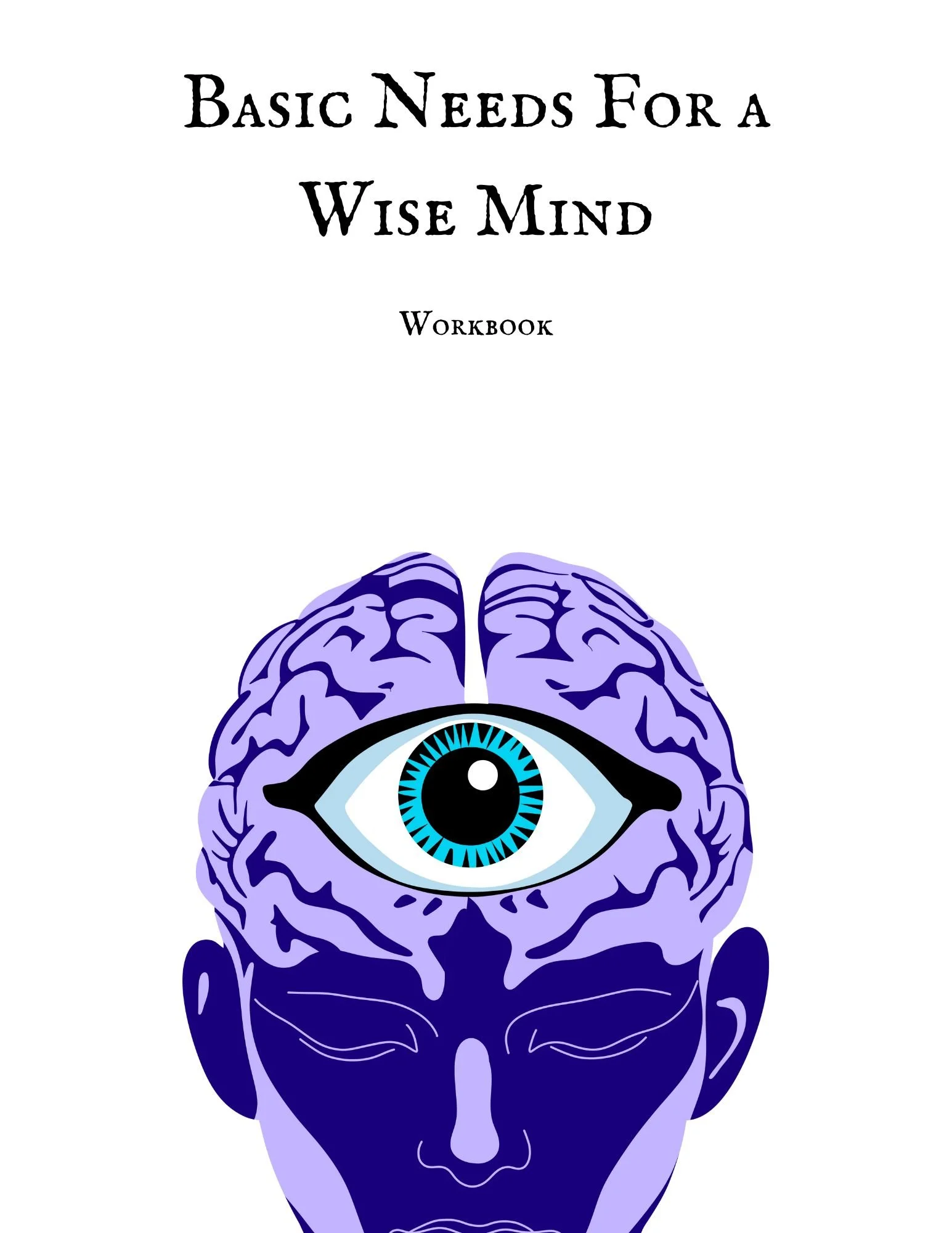
These workbooks are designed to support self-reflection, emotional regulation, and holistic healing through grounded spiritual practices. Each workbook offers a gentle, structured space to slow down, listen inward, and reconnect with your own inner wisdom—without pressure, perfection, or spiritual bypassing.
Rather than providing answers or predictions, these workbooks guide you back to self-trust, discernment, and embodied awareness. They are intentionally trauma-informed and suitable for sensitive, intuitive individuals navigating healing, personal growth, or spiritual exploration. Practices are invitational, flexible, and meant to be adapted to your unique needs and pace.
Across all titles, you’ll find:
Reflective journaling prompts
Grounding and integration practices
Emotional and energetic boundary awareness
Tools that support nervous-system safety
A focus on integration into everyday life
These workbooks are not a replacement for medical, psychological, or therapeutic care. They are supportive companions—designed to deepen self-awareness, encourage sustainable wellness, and help you cultivate clarity, confidence, and alignment from within.
Whether you are exploring confidence, protection, intuition, ancestral healing, or spiritual connection, each workbook meets you where you are and supports you in moving forward with intention, compassion, and integrity.
